The Israeli military has said that Iran’s weapons production capabilities will be largely destroyed "within a few days."
Over the coming days, the military aims to "complete their attacks on all key components of the [Iranian] military industry," army spokesman Effie Defrin told journalists on Saturday evening.
"This means that we will have destroyed most military production capabilities," he added.
"It will take the regime a long time to rebuild them."
Since Israel and the US began to attack Iran four weeks ago, the Israeli Air Force has been carrying out heavy strikes on Iran's military industry.
The Israeli military estimates that it has already struck around 90% of the key facilities in the Iranian arms industry, according to the Times of Israel.
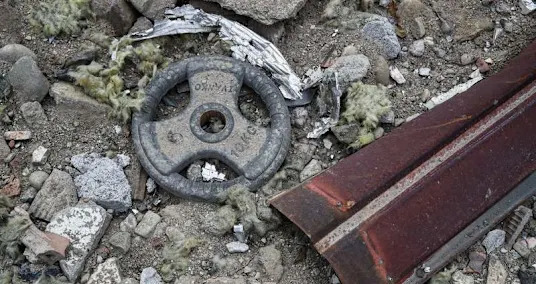
Israeli fighter jets also bombed military production facilities in Iran overnight, including the headquarters of the Marine Industries Organization which is responsible for the development and construction of warships and submarines.
LATEST POSTS
- 1
 A somber Thor is returning for 'Avengers: Doomsday': Watch the dread-filled teaser
 - 2I asked ChatGPT who would win a Golden Globes. Here's what it got right — and totally wrong.
- 3Doritos and Cheetos debut 'NKD' options, without artificial colors or flavors
- 4‘Risk children’s lives for some extra manpower’: IRGC recruits 12 year olds to fill personnel gaps
- 5Ancient Pompeii construction site reveals the process for creating Roman concrete




- 10 Demonstrated Systems to Develop Your Internet based Business
- Turkey's Erdogan denounces Israel-Greece-Cyprus trilateral summit, affirms support for Gaza
- What are parents to do as doctors clash with Trump administration over vaccines?
- The Iconic, Instantly Recognizable Plastic Chair That's Known All Around The World
- Opening Potential: Self-awareness and Long lasting Learning
- Story of ‘first Black Briton’ rewritten by advances in ancient DNA technology
- 'Dancing with the Stars' semifinals: How to watch Episode 10 tonight, where to stream, who's left and more
- How to track NASA’s Artemis II and Orion’s journey to the moon
- King Charles III says he is reducing cancer treatment schedule in 2026