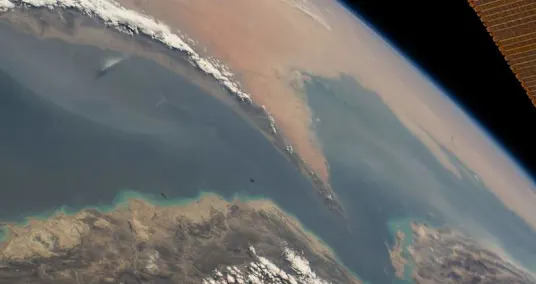
Iran plans to reshape governance of the Strait of Hormuz to secure long-term economic and security gains, Vice President Mohammad Reza Aref said on Sunday.
"The Strait of Hormuz regime will no longer be as it was in the past," Aref wrote on X, adding that the government aims to "transform the battlefield achievements into sustainable economic and security benefits for the country."
He said efforts by Iran's opponents to bring about political change in Iran had merely led to "regime change in Hormuz."
According to Iranian sources, future transit through strait could be restricted to ships whose owners are not involved in the war against Iran, while ships linked to states or actors that Tehran regards as supporters of the war would be barred.
The Iranian parliament is also planning legislation to introduce a toll system for the waterway, the sources said.
The Strait of Hormuz has become a focal point in the current US-Israeli war with Iran. Tehran has repeatedly attacked vessels in the waterway, effectively closing off a key shipping route for global oil and gas supplies.
The narrow passage between Iran and Oman is the only link between the Gulf and the world's oceans and is regarded as one of the most important shipping routes globally, with around 20% of the world's oil supply normally passing through it.
LATEST POSTS
- 1
 Figure out What Shift Differentials Mean for Your General Attendant Compensation
 - 2What's going around right now? COVID, flu, stomach bug on the rise
- 3A mom's viral post is raising the question: Do kids need snacks? Dietitians have answers.
- 4Floods, Landslides Triggered By Heavy Rain In Afghanistan Leave 77 Dead In 10 days, Authorities Say
- 5NASA to bring astronauts home from space station early due to a medical issue



- At least 30 killed in attack on Nigeria village
- Crypto Investor’s Family Tied Up and Beaten by Armed Gangs in Their Home
- Top 20 Style Brands for Pioneers
- Flourishing in a Cutthroat Work Market: Vocation Methodologies
- Brazilian cardinal orders a popular Catholic priest to go offline following right-wing attacks
- The Secret Side of Italy: 12 Underrated Destinations Locals Don’t Want Tourists to Find
- Reporter's notebook: Inside the IDF’s ‘Hamas Village,’ and how Israel is rewriting urban warfare
- The Best 20 Photography Instagram Records to Follow
- BHP liable for 2015 Brazil mine disaster: UK court